
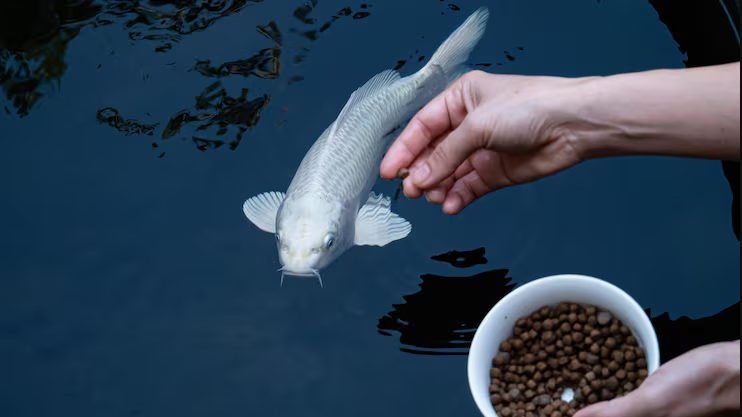

Cloudy water, constant algae, stressed fish, and frequent tank cleanups often point to one hidden culprit: improper feeding. Many aquarium owners assume water quality issues stem from filters or water changes, but in reality, feeding mistakes with freshwater fish food are among the biggest reasons tanks struggle to stay clean and stable.
In this guide, we’ll talk about five most common fish feeding mistakes that mostly aquarists do, explain how they damage water quality, and show you how choosing the best freshwater fish food, especially from trusted Pet Supplies Online stores, can completely transform your aquarium’s health.
Why Feeding Mistakes Impact Water Quality So Fast
Everything that enters your tank eventually affects your water chemistry. Uneaten food breaks down into ammonia, excess nutrients fuel algae, and poor-quality diets create more waste. Even the best filtration systems can’t keep up if feeding habits are bad.
That’s why mastering freshwater fish food choices and feeding techniques is just as important as tank size or filtration.
Mistake #1: Overfeeding Your Fish
This is the most common and most damaging mistake aquarium owners make.
Why Overfeeding Ruins Water Quality
- Uneaten food sinks and decays
- Ammonia levels spike rapidly
- Oxygen levels drop
- Algae growth accelerates
Fish don’t have an “off switch” when it comes to eating. They’ll keep eating even when they don’t need to.
The Right Way to Feed
- Feed only what fish can eat in 2–3 minutes
- Once or twice daily is enough
- Smaller portions are always better
Using high-quality freshwater fish food helps because nutrient-dense food means less waste.
Mistake #2: Using Low-Quality Freshwater Fish Food
Not all food is created equal. Cheap, filler-heavy diets are a silent tank killer.
How Poor Food Pollutes Your Tank
- Breaks apart quickly in water
- Contains fillers that fish can’t digest
- Produces excess waste
- Clouds water faster
Low-quality food increases the biological load on your tank, forcing filters and bacteria to work overtime.
What to Look for Instead
The best freshwater fish food should include:
- Real fish or aquatic protein as the first ingredient
- Minimal fillers (corn, wheat, soy)
- Essential vitamins and omega fatty acids
- Clean, stable pellet or flake structure
Better food = cleaner water.
Mistake #3: Feeding the Wrong Food Type for Your Fish
Different freshwater fish eat differently. Feeding the wrong type leads to waste and water issues.
Common Mismatches
- Floating food for bottom feeders
- Large pellets for small fish
- Protein-heavy diets for herbivores
When fish can’t eat what you offer, food ends up rotting on the substrate.
Fix the Problem
- Surface feeders → flakes or floating pellets
- Mid-level fish → slow-sinking pellets
- Bottom feeders → sinking wafers
Choosing the correct freshwater fish food type ensures less waste and cleaner water.
Mistake #4: Feeding Too Frequently
More feedings do not equal healthier fish.
Why Over-Frequent Feeding Is Harmful
- Increases waste production
- Disrupts nitrogen cycle balance
- Leads to fatty liver disease in fish
- Causes persistent cloudiness
Fish digestive systems need time to process food.
Better Feeding Schedule
- Adult fish: 1–2 times daily
- Fry: Small amounts, more frequently (species-dependent)
- Fasting day: Once per week for adult fish
High-quality food allows fewer feedings without sacrificing nutrition.
Mistake #5: Ignoring Uneaten Food and Tank Observation
Many aquarists feed and walk away. This is a big mistake.
Why This Matters
- Uneaten food decays quickly
- Leads to ammonia spikes
- Encourages algae and bacteria blooms
Simple Fix
- Observe feeding for the first few minutes
- Remove uneaten food with a net or siphon
- Adjust portion sizes next feeding
Good feeding habits protect both fish and water quality.
Freshwater Fish Food & Water Quality Relationship
| Feeding Factor | Effect on Water Quality | Best Practice |
|---|---|---|
| Overfeeding | Ammonia & algae spikes | Smaller portions |
| Poor-quality food | Cloudy water | Use premium food |
| Wrong food type | Uneaten waste | Match fish species |
| Too many feedings | Excess waste | 1–2 feeds daily |
| Ignoring leftovers | Toxin buildup | Remove excess food |
This table shows how feeding choices directly impact tank health.
How the Best Freshwater Fish Food Helps Maintain Clean Water
High-quality diets do more than feed fish; they protect your ecosystem.
Benefits of the Best Freshwater Fish Food
- Better digestion
- Reduced waste output
- Stronger immune systems
- Cleaner substrate and glass
- More stable water parameters
Premium food costs more upfront but saves money in the long term by reducing maintenance and fish loss.
Upcoming Trends in Freshwater Fish Food (2026 & Beyond)
Fish nutrition is evolving fast. Here are the top upcoming trends shaping freshwater fish feeding:
1. Probiotic-Enhanced Freshwater Fish Food
- Improves digestion
- Reduces waste
- Supports immune health
2. Species-Specific Nutrition
- Tailored diets for tetras, cichlids, bettas, and goldfish
- Less overfeeding and waste
3. Sustainable Ingredients
- Insect-based proteins
- Responsibly sourced fish meal
- Lower environmental impact
4. Smart Feeding Systems
- App-controlled auto-feeders
- Portion-controlled feeding
- Ideal for busy aquarists
5. Cleaner-Burn Formulas
- Designed to reduce ammonia output
- Improve water clarity naturally
These trends focus on feeding smarter, not more.
Buying Freshwater Fish Food from Pet Supplies Online
Purchasing freshwater fish food through Pet Supplies Online offers major advantages:
Why Pet Supplies Online Makes Sense
- Access to premium and specialty foods
- Transparent ingredient lists
- Verified customer reviews
- Convenient delivery and restocking
Online stores often carry the best freshwater fish food options not available locally.
Simple Feeding Routine for Cleaner Water
Follow this easy routine:
- Choose species-appropriate freshwater fish food
- Feed small portions once or twice daily
- Observe feeding behavior
- Remove uneaten food
- Test water weekly
Consistency is the key to clean water.
Signs Feeding Is Ruining Your Water Quality
Watch for these warning signs:
- Cloudy or milky water
- Rapid algae growth
- Fish gasping or lethargic
- Rising ammonia or nitrate levels
Adjust feeding before increasing chemicals or filtration.
Final Thoughts: Feed Smarter, Not More
Water quality problems often start at feeding time. By avoiding these five common mistakes, choosing the right freshwater fish food, investing in the best freshwater fish food, and shopping smartly through Pet Supplies Online, you can dramatically improve tank clarity, fish health, and overall stability.
Better feeding habits lead to cleaner tanks, healthier fish, and far less frustration.
Frequently Asked Questions (FAQs)
1. How much freshwater fish food should I feed daily?
Feed only what your fish can eat within 2–3 minutes, once or twice per day.
2. Can freshwater fish food really affect water quality?
Yes. Poor-quality or excess food breaks down into ammonia and fuels algae growth.
3. Is the best freshwater fish food worth the higher cost?
It might be but there are some affordable options also, but cheap ones definitely not good. High and affordable costs options help in producing less waste, keeps water cleaner, and improves fish health.
4. Should I remove uneaten fish food?
Yes. Removing leftovers prevents toxin buildup and cloudy water.
5. Where can I buy quality freshwater fish food?
You can find premium freshwater fish food options from trusted Pet Supplies Online retailers.
