

The Kanchenjunga Base Camp Trek is one of the most extraordinary and less-traveled trekking experiences in Nepal. Often referred to as the Kanchenjunga Trek, this journey offers a rare opportunity to explore the pristine beauty of the eastern Himalayas while avoiding the crowds found in more popular trekking routes. Named after Mount Kanchenjunga, the third-highest mountain in the world, this trek is ideal for those seeking solitude, raw wilderness, and an authentic cultural experience.
Introduction to the Kanchenjunga Base Camp Trek
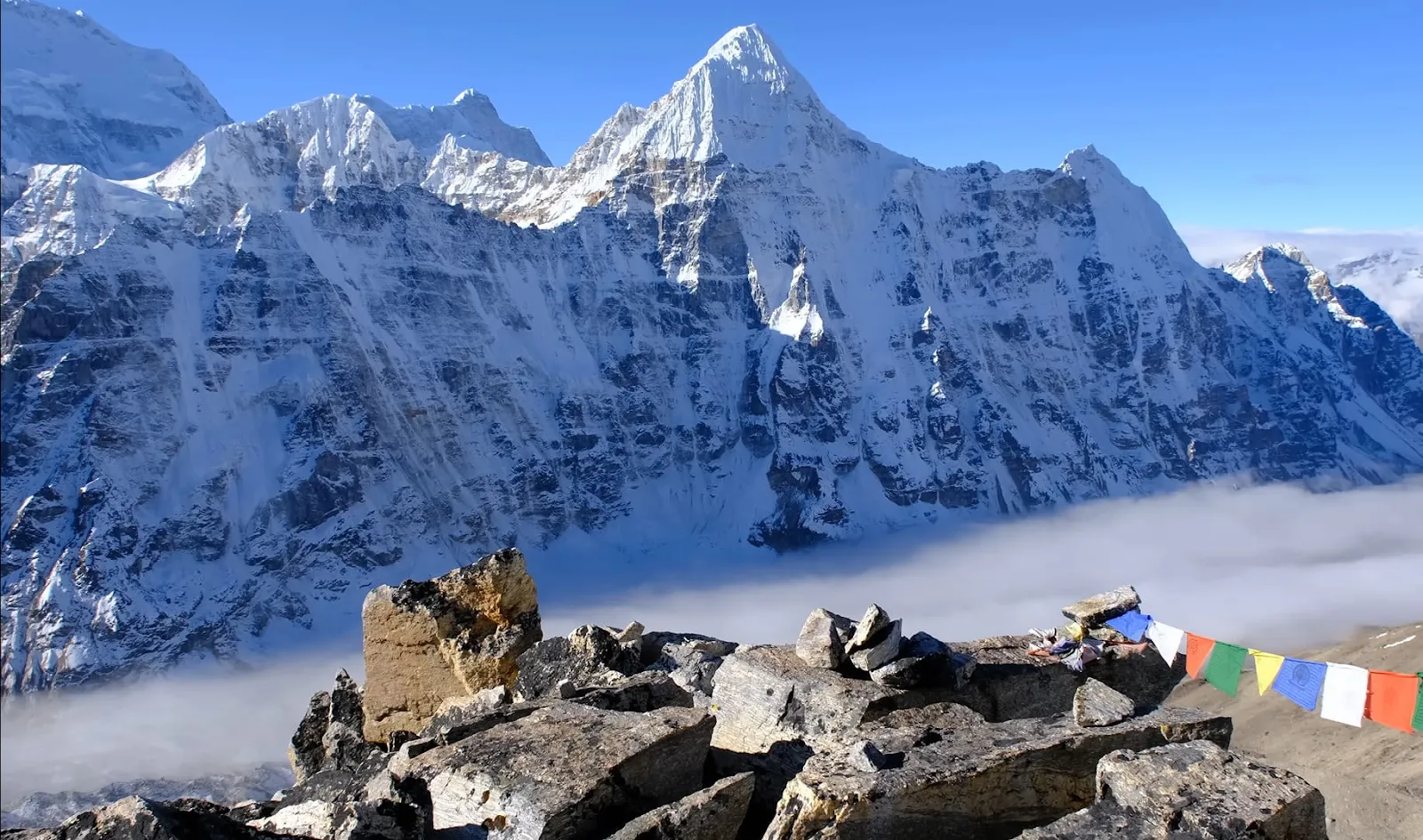
The Kanchenjunga Base Camp Trek takes trekkers deep into the remote regions of eastern Nepal, close to the borders of India and Tibet. The trek leads to both the North and South Base Camps of Mount Kanchenjunga, offering spectacular views of the towering peak and surrounding हिमालय ranges.
Unlike the Everest Base Camp Trek or Annapurna Circuit, the Kanchenjunga Trek remains relatively untouched, providing a more adventurous and off-the-beaten-path experience. The journey typically begins with a flight to Bhadrapur followed by a long drive to the starting point of the trek, such as Taplejung or Suketar.
Untouched Natural Beauty
One of the most compelling aspects of the Kanchenjunga Base Camp Trek is its unspoiled natural environment. The region is part of the Kanchenjunga Conservation Area, which is rich in biodiversity and home to a variety of flora and fauna.
Trekkers pass through dense forests of rhododendron, bamboo, and oak, as well as alpine meadows and high-altitude landscapes. The trail offers stunning views of Kanchenjunga, along with other peaks such as Jannu (Kumbhakarna), Kabru, and Rathong.
The changing landscapes make the Kanchenjunga Trek particularly fascinating. Lower elevations are lush and green, while higher altitudes feature rugged terrain, glaciers, and snow-covered valleys. The Kanchenjunga Glacier is a major highlight, showcasing the grandeur of the Himalayas in its purest form.
Cultural Diversity and Local Traditions
The Kanchenjunga Base Camp Trek is also a cultural journey, offering insights into the lives of diverse ethnic communities. The region is home to groups such as the Rai, Limbu, and Sherpa people, each with their own unique traditions and customs.
Trekkers pass through traditional villages where life remains largely unchanged by modern influences. This provides a rare opportunity to experience authentic rural Nepal, including local cuisine, festivals, and daily activities.
Buddhism and Hinduism both influence the region’s culture, and trekkers will encounter monasteries, prayer flags, and sacred sites along the trail. The warm hospitality of the local people adds a meaningful dimension to the trekking experience.
Physical Challenge and Remote Conditions
The Kanchenjunga Trek is considered more challenging than many other treks in Nepal due to its remote location and longer duration. Trekkers typically spend around 18 to 24 days on the trail, covering significant distances across varied terrain.
Daily trekking hours can range from 6 to 8 hours, often on steep and rugged paths. The high altitude adds to the difficulty, with the North Base Camp reaching an elevation of over 5,000 meters.
Unlike more developed trekking routes, facilities in the Kanchenjunga region are limited. Accommodation is usually in basic tea houses or camps, and trekkers must be prepared for minimal amenities.
Proper physical preparation, including endurance training and prior trekking experience, is highly recommended for those attempting the Kanchenjunga Base Camp Trek.
Best Time to Trek
The best seasons for the Kanchenjunga Base Camp Trek are spring (March to May) and autumn (September to November). During these months, the weather is relatively stable, and the views are clear.
Spring is especially beautiful, with blooming rhododendron forests adding vibrant colors to the landscape. Autumn offers crisp air and excellent visibility, making it ideal for photography and mountain views.
Winter treks are possible but can be extremely cold and challenging due to snow, while the monsoon season is generally avoided because of heavy rainfall and difficult trail conditions.
Accommodation and Food
Accommodation during the Kanchenjunga Trek is more basic compared to other popular trekking routes. In lower regions, tea houses provide simple lodging and meals, while in more remote areas, camping may be required.
The food typically consists of local dishes such as dal bhat, noodles, and soups. Due to the remote location, food options may be limited, but they are sufficient to meet the energy needs of trekkers.
Carrying essential supplies and being prepared for basic living conditions is an important aspect of this trek.
Permits and Regulations
The Kanchenjunga Base Camp Trek lies in a restricted area, and special permits are required to enter. Trekkers must obtain a Restricted Area Permit and be accompanied by a licensed guide.
Additionally, a permit for the Kanchenjunga Conservation Area is required. These regulations help preserve the region’s natural environment and ensure the safety of trekkers.
Planning the trek through a reputable trekking agency is highly recommended to handle permits, logistics, and safety measures.
Responsible Trekking
Due to its pristine environment, responsible trekking is crucial in the Kanchenjunga region. Trekkers should follow eco-friendly practices such as minimizing waste, avoiding plastic, and respecting local customs.
Supporting local communities by hiring guides and staying in local accommodations contributes to sustainable tourism and helps preserve the region’s cultural heritage.
Conclusion
The Kanchenjunga Base Camp Trek, also known as the Kanchenjunga Trek, is a truly remarkable adventure for those seeking an authentic and remote Himalayan experience. With its untouched landscapes, diverse cultures, and challenging terrain, it offers a unique alternative to more crowded trekking routes.
This trek is not just about reaching base camp—it is about exploring one of the last great wilderness areas in Nepal and connecting with nature in its purest form. While the journey requires preparation and resilience, the rewards are immense.
For trekkers who value solitude, adventure, and raw natural beauty, the Kanchenjunga Base Camp Trek stands as one of the most unforgettable and rewarding journeys in the Himalayas.
